
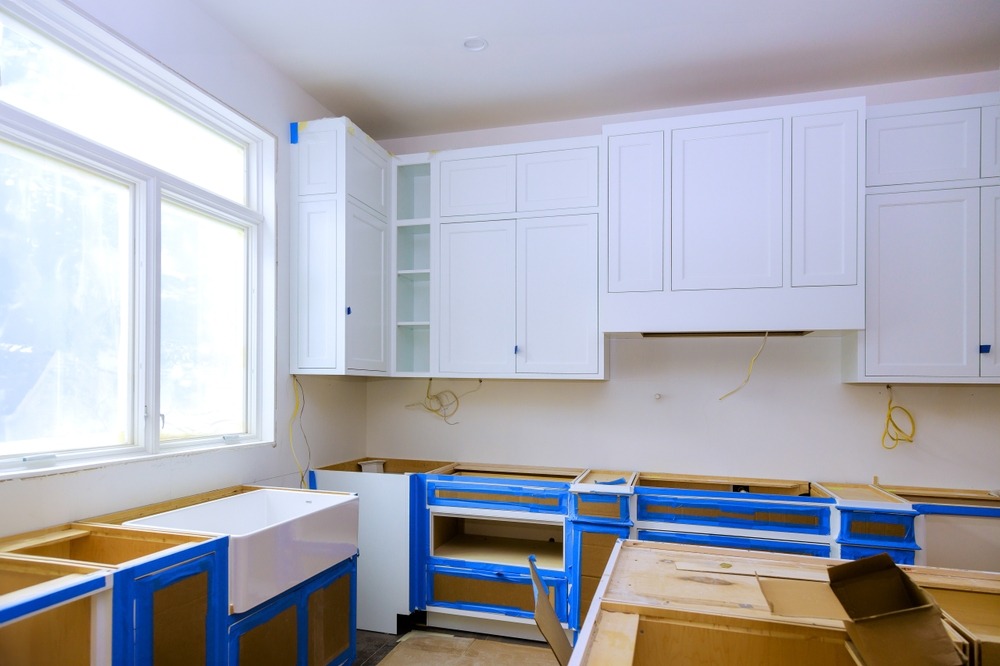
If you’ve searched for home remodeling Tallahassee contractors lately, you’ve probably noticed the market has changed. Between rising material costs, tighter permitting timelines with Leon County, and a wave of new construction pushing renovation demand up across neighborhoods like Betton Hills, Killearn, and Midtown, homeowners are asking sharper questions before they sign a contract.
This guide walks through what actually matters: how remodeling projects work in Tallahassee’s specific climate and building code environment, what bathroom and kitchen renovations typically involve, how reconstruction differs from a standard remodel, and how to choose a contractor who won’t leave you with a half-finished project and a headache.
Whether you’re planning a full home renovation, a single-room refresh, or rebuilding after storm damage, the goal here is to give you the kind of practical, experience-based information a licensed contractor would walk you through at your kitchen table not generic checklist advice.
Table of Contents
ToggleWhy Tallahassee Homes Need a Different Remodeling Approach?
Tallahassee’s building stock is older than people expect. Many neighborhoods inside the city core were built between the 1950s and 1980s, which means outdated electrical panels, plumbing that wasn’t designed for modern water pressure demands, and insulation that doesn’t hold up to North Florida’s humidity swings.
That matters for remodeling because:
- Humidity control has to be factored into any bathroom or kitchen redesign, or you risk mold issues within a year or two.
- Older framing and foundations sometimes need structural evaluation before cabinets or tile go in.
- Storm resilience is a real consideration — roofing, window replacement, and exterior work often get bundled into larger remodeling projects because of hurricane season exposure.
A contractor who’s worked specifically in the Tallahassee area will already know which Leon County permitting requires for structural changes versus cosmetic ones, and that alone can save weeks.
Kitchen Remodeling in Tallahassee: What’s Actually Involved
Kitchen remodeling Tallahassee projects generally fall into three tiers, and knowing which one you’re planning helps set realistic expectations for both budget and timeline.
1. Cosmetic Refresh
New countertops, cabinet refacing or paint, updated hardware, and a backsplash. This typically takes 2–4 weeks and doesn’t usually require a permit unless electrical or plumbing lines move.
2. Mid-Range Renovation
Cabinet replacement, layout adjustments, new flooring, updated lighting, and appliance upgrades. Expect 4–8 weeks, plus permitting for electrical and plumbing changes.
3. Full Gut Renovation
Wall removal, plumbing relocation, new subflooring, and sometimes structural changes to open up the space. This is the most involved category and typically runs 8–14 weeks depending on permitting and material availability.
A quick note on cost expectations: rather than quoting national averages that don’t reflect Tallahassee’s labor and material market, ask any contractor you’re vetting for a line-item estimate specific to your square footage and finish level. A trustworthy contractor will walk you through where your money is going, not just give you a lump sum.
Bathroom Remodeling Tallahassee FL: Common Pitfalls to Avoid
Bathroom remodeling Tallahassee FL homeowners request most often involves converting an old tub-shower combo into a walk-in shower, updating vanities, and addressing ventilation problems that cause long-term moisture damage.
A few things worth knowing before you start:
- Ventilation isn’t optional. North Florida humidity means an underpowered exhaust fan will lead to mildew behind tile within months. Code minimums exist, but experienced contractors often recommend exceeding them.
- Waterproofing membranes matter more here than in drier climates. Skipping proper waterproofing under tile is one of the most common — and expensive — mistakes in budget renovations.
- Accessibility features (curbless showers, grab bar blocking, wider doorways) are increasingly requested for aging-in-place planning, and it’s far cheaper to build these in during a remodel than retrofit later.
Typical Bathroom Remodel Scope by Project Type
| Project Type | Typical Timeline | Common Scope |
| Powder room refresh | 1–2 weeks | Vanity, fixtures, paint, lighting |
| Full bath update | 3–5 weeks | New tile, vanity, tub/shower, ventilation |
| Primary bath renovation | 5–9 weeks | Layout change, walk-in shower, double vanity, flooring |
Custom Remodeling: When a Standard Renovation Isn’t Enough
Not every project fits a template. Custom remodeling work — additions, layout redesigns, or built-to-spec features like custom cabinetry, built-in shelving, or unique architectural details — requires a different planning process than a straightforward update.
Custom projects typically involve:
- An initial design consultation to establish scope and feasibility
- Architectural or design drawings, especially for structural changes
- Permit review specific to the scope (structural, electrical, plumbing)
- A phased construction schedule that accounts for custom material lead times
If you’re picturing something that doesn’t exist in a catalog – a kitchen island built around a specific appliance, a bathroom with an unusual footprint, or an addition that needs to match existing rooflines – this is where working with a design-and-build team pays off, since design and construction happen under one roof instead of getting handed off between separate companies.
Reconstruction Services in Tallahassee: Rebuilding After Damage
Reconstruction services Tallahassee homeowners need most often follow storm damage, fire damage, or long-term water intrusion that’s compromised structural elements. Reconstruction is a different process than remodeling because it usually starts with an insurance claim and a damage assessment before any design work happens.
Here’s how the process typically unfolds:
- Damage assessment and documentation — needed for insurance purposes before demolition begins
- Structural evaluation — determining what can be salvaged versus what needs full replacement
- Insurance coordination — a contractor experienced in reconstruction will know how to document work in a way adjusters accept
- Rebuild phase — often an opportunity to also update finishes, layouts, or energy efficiency since walls are already open
If you’re dealing with storm or water damage, timing matters. Delaying reconstruction increases the risk of mold growth and further structural deterioration, especially in Tallahassee’s humid climate.
How to Choose a Remodeling Contractor in Tallahassee?
A few questions worth asking any contractor before you commit:
- Are they licensed and insured specifically for the scope of work you need (general contractor license for structural work, not just a handyman license)?
- Can they provide references from recent Tallahassee-area projects, not just out-of-town work?
- Do they pull their own permits, or expect you to?
- How do they handle change orders if something unexpected turns up mid-project (common with older homes)?
- Is there a single point of contact throughout the project, or will you be coordinating between multiple subcontractors yourself?
A contractor who answers these clearly and specifically – rather than with vague reassurances – is generally one worth trusting with your home.
Final Thoughts
Home remodeling in Tallahassee comes with its own set of considerations — from humidity-driven ventilation needs to permitting timelines specific to Leon County. Whether you’re planning a kitchen update, a bathroom renovation, a custom build-out, or full reconstruction after damage, the projects that go smoothly tend to share one thing in common: a contractor who understands the local building environment and communicates clearly from the first estimate through the final walkthrough.
If you’re ready to talk through your project, Eberhardt Construction and Design works directly with Tallahassee homeowners on remodeling, custom builds, and reconstruction projects from initial consultation through completion.