
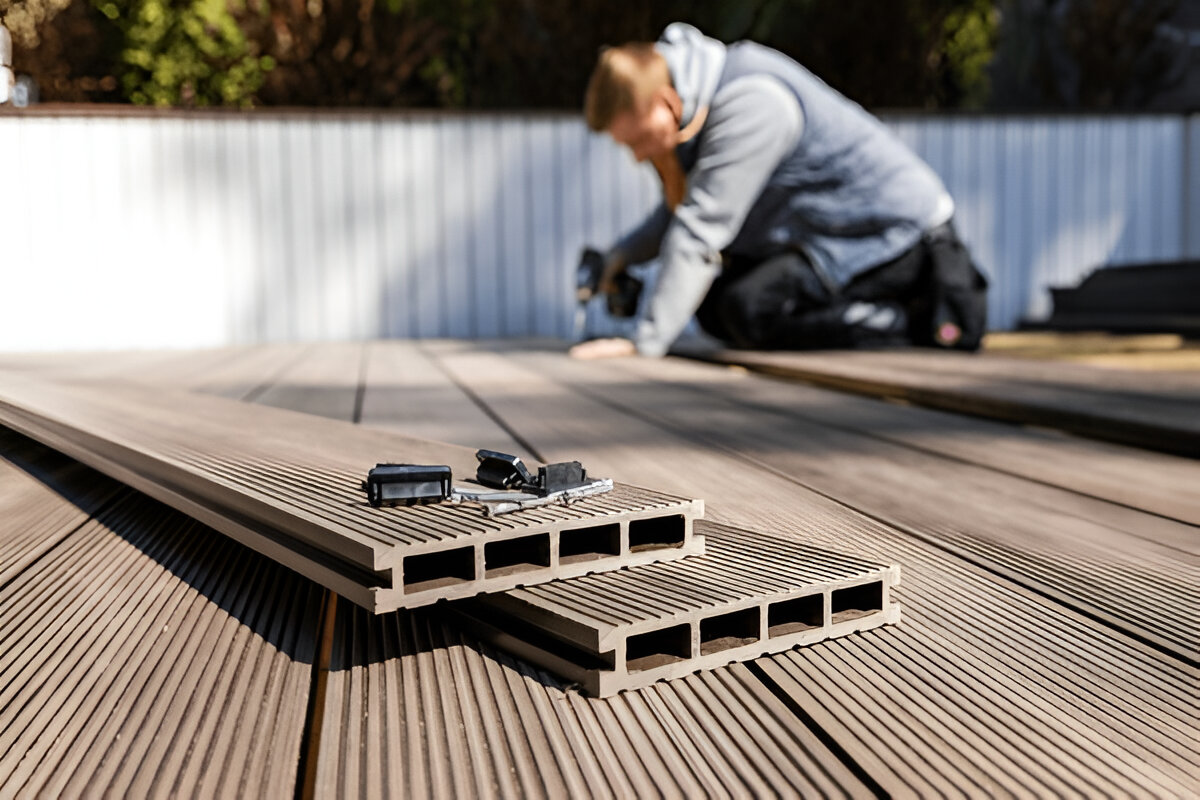
We all love summer in Florida, until the moment you step outside barefoot and realize your deck feels like a frying pan. It’s no joke; in places like Tallahassee, deck surfaces can heat up fast, especially in direct sunlight. But don’t worry. With the right materials and smart design, your deck can actually stay cool enough to enjoy, even in the thick of summer.
Table of Contents
ToggleWhy Some Decks Burn—and Others Don’t
Here’s the deal: not all decking materials are made equal when it comes to heat. Some absorb and hold onto heat longer, especially darker colours or dense materials like stone or metal. Others are built to reflect sunlight or cool down quickly. The trick is to know what to look for and how to pair it with your home’s layout.
Best Decking Options That Stay Cool in Florida
Let’s walk through some of the coolest materials that work brilliantly in Florida’s intense sunshine:
1. Composite Decking With Cooling Tech
Modern composite boards aren’t just low-maintenance, they’re smart. Some brands are designed with reflective tech that helps them stay up to 35% cooler than traditional boards. They’re also splinter-free and don’t get slippery when wet. Perfect for poolside lounging!
2. Treated Wood with a Light Stain
Pressure-treated wood is a classic, and with a light stain or sealant, it can stay reasonably cool underfoot. Bonus: wood gives that natural, warm look that blends beautifully with Florida’s lush landscapes.
3. PVC Decking
PVC is a game-changer for Florida homes. It’s highly weather-resistant and doesn’t absorb heat the way wood or stone does. It won’t fade or grow mildew, ideal for humid climates.
4. Concrete Pavers with Texture
For patios and open spaces, concrete pavers with a rough or brushed finish stay cooler than you’d expect. Go with light colours like cream or grey to keep decks cool.
5. Natural Stone (In the Shade)
Stone like travertine or limestone looks elegant and stays surprisingly cool, especially if laid in a shaded area. Great for patios or garden paths with overhead cover.
Design Hacks That Help Keep Things Cool
The material is half the battle. Design choices make a big difference, too:
- Add shade: Covered decks, pergolas, or even a retractable awning can keep your space cooler and extend its use through the day.
- Pick the right spot: Avoid full afternoon sun if possible, opt for east-facing decks to enjoy cooler mornings.
- Light colours rule: Always go for lighter tones; they reflect sunlight better and reduce heat retention.
Why It’s Worth Calling a Local Pro
If you’re based in Florida, especially near Tallahassee, you want someone who gets how our weather works. A local deck builder in Tallahassee can help you choose materials that won’t warp, crack, or scorch in the heat. And if you’re looking to integrate it into a bigger home project, a new construction service in Tallahassee, FL, can make sure everything flows together beautifully, from foundations to finishes.
Your Feet Will Thank You
Imagine stepping out on your deck with a coffee in hand, toes happy and cool, not hopping around looking for shade. That’s the magic of choosing the right deck and the right deck builder in Tallahassee.
Ready to build your perfect Florida deck? Schedule your consultation now and let the experts guide you every step of the way.
Frequently Asked Question
PVC and specially engineered composite decking with reflective technology tend to stay the coolest under direct sunlight. Light-colored concrete pavers and natural stone like travertine (especially in shaded areas) are also great options.
Yes, absolutely. Darker colors absorb more heat, making the surface hotter to the touch. Choosing lighter shades helps reflect sunlight and reduces surface temperatures.
Treated wood with a light stain can work well in Florida if properly maintained. It offers a cooler surface than many other materials, especially if combined with shade structures like pergolas.
Smart design tips include adding shade (like pergolas or awnings), choosing light-colored materials, and placing the deck in an area with less direct afternoon sun—ideally east-facing.
Yes, a local professional understands the challenges of Florida’s heat, humidity, and weather patterns. They can recommend materials that won’t crack, warp, or become dangerously hot in the summer sun.